
What phototherapy is
Phototherapy uses a controlled dose of ultraviolet light to calm inflammation in the skin. Narrowband UVB, the form used at DermCare, delivers a narrow range of wavelengths that has been shown to be effective for a number of inflammatory skin conditions while limiting the amount of unnecessary ultraviolet exposure. The dose is measured and increased gradually, so each session is tailored to how your skin has responded to the last one. DermCare has one phototherapy unit on site.
Phototherapy is a medical treatment, not a tanning service. It is ordered by a dermatologist for a specific diagnosis, delivered by trained staff under physician order, and reviewed as the course progresses.
Conditions treated
Narrowband UVB is used at DermCare for the following conditions when a dermatologist judges it appropriate:
- Psoriasis, particularly widespread plaque or guttate disease
- Eczema and atopic dermatitis that has not responded adequately to topical therapy
- Vitiligo, to encourage repigmentation
- Cutaneous T cell lymphoma, including mycosis fungoides, in its early stages
- Chronic pruritus, including itch related to kidney disease and other systemic causes
Other light responsive conditions are considered case by case. Whether phototherapy is right for you depends on the diagnosis, how much skin is involved, your skin type and history, and what else has been tried.
How a course works
A course of phototherapy follows a set sequence. The number of sessions varies with the condition and the response, but the structure is the same for everyone.
Assessment and order
A dermatologist examines you, confirms the diagnosis, reviews your medications and history, and decides whether phototherapy is appropriate. If so, a treatment order is written that sets the starting dose and how it should increase.
First dose and titration
Your first session uses a low dose based on your skin type. Staff record how your skin responds and the dose is increased in small steps at each visit. The aim is a faint pinkness that settles within a day, not a burn.
Up to three sessions a week
Patients are seen up to three times a week, with at least a day between sessions, over a period of several weeks. Attending consistently matters. Missed sessions slow progress and may mean the dose has to be reduced and built back up.
Review
Progress is reviewed at each visit and by the dermatologist at set points during the course. If the skin is not responding as expected, the plan is adjusted or another treatment is considered.
Maintenance and taper
Once the skin has cleared or improved as far as it is likely to, sessions are spaced further apart and then stopped. Some patients benefit from a short period of less frequent maintenance treatment before the course ends. Your dermatologist will discuss what applies to you.
What a session is like
Each visit is brief. Allow time to change, be treated and dress again. The exposure itself lasts from a few seconds at the start of a course to several minutes later on, and rarely exceeds five to ten minutes.
- You undress in private, leaving on only what the treatment plan requires. Areas that do not need treatment can be covered.
- You wear protective goggles throughout the exposure. Eye protection is not optional.
- Genital shielding for male patients is standard practice in narrowband UVB, because this skin is more sensitive to ultraviolet light and is at higher risk over time.
- The dose is set and controlled by staff, and you can stop the session at any time.
- Before each session, tell staff about any burning or blistering since the last visit, any new medication, and any change in your health. This information sets the dose.
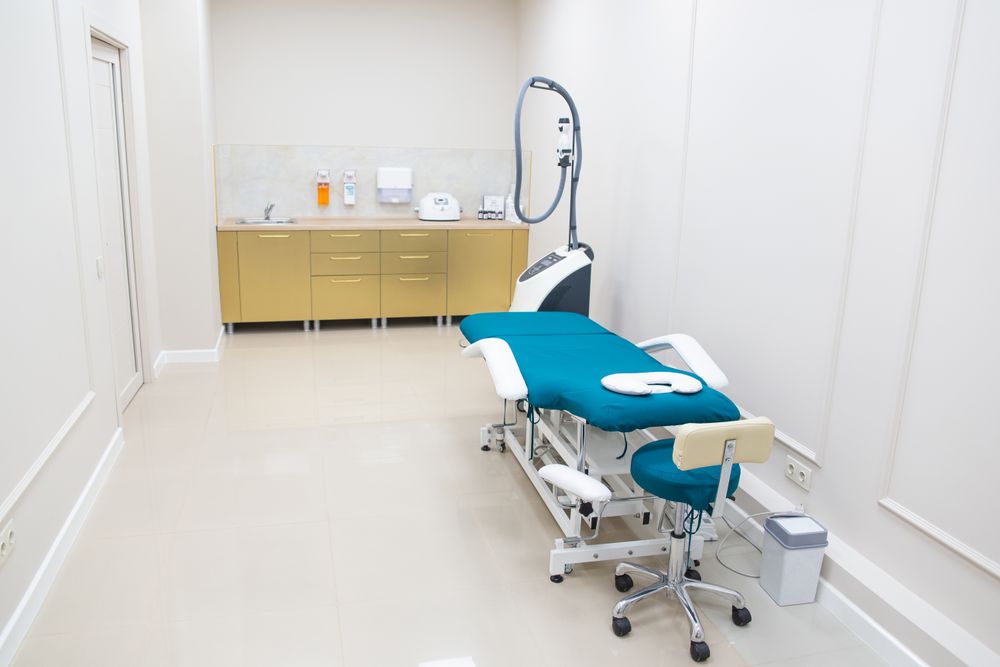
Before you come
Do not apply creams, perfume or deodorant to the areas being treated before a session unless you have been told to. Some products increase sensitivity to light. Moisturisers can usually be applied after treatment. If you have been in the sun, say so, because the dose may need to be held.
Safety
Narrowband UVB has a well established safety record when delivered under medical supervision. The most common side effect is a sunburn like reaction, with redness, tenderness or occasionally blistering. This is why the dose is increased slowly and why you should report any reaction at the next visit. Dryness and itch are also common and are managed with moisturisers.
Ultraviolet light contributes to skin ageing and, over a lifetime of high cumulative exposure, to skin cancer risk. Narrowband UVB carries less of this risk than older forms of phototherapy, and the total number of sessions is recorded so that lifetime exposure can be considered when future courses are planned. Your dermatologist weighs this against the benefit of treating the condition, and regular skin checks are part of long term care.
Some medicines make the skin more sensitive to light. These include certain antibiotics, diuretics, anti inflammatory drugs and some psychiatric medications. Bring an up to date list of everything you take, including over the counter products and supplements, and tell the clinic whenever something changes. Phototherapy is generally avoided in people with a history of melanoma, certain photosensitive conditions, or conditions that make the treatment unsafe.
OHIP coverage
Phototherapy is covered by OHIP when it is ordered by a physician for a recognised diagnosis. There is no charge to the patient for the assessment, the treatment sessions or the review visits. A valid Ontario health card is required at each visit.
Scheduling and attendance
DermCare has one phototherapy unit on site, and patients are seen up to three times a week. Sessions are booked in advance so that your course runs to a steady schedule, and the appointments are arranged with you once treatment has been ordered. Call 905 625 5600 to book, move or cancel a session.
Because each dose builds on the last, regular attendance matters to how well a course works. If you know you will miss a session, call 905 625 5600 so the dose can be adjusted at the next visit. Courses are best started when you are able to commit to two or three visits a week for the coming weeks.
For referring physicians
Phototherapy at DermCare is ordered by a dermatologist after assessment. Please refer the patient for the underlying condition rather than for phototherapy directly, and include the diagnosis, the extent of disease, treatments tried and current medications. Details are on the phototherapy referrals page.